

Like all animals, dairy cows produce manure daily, making manure management a critical part of a dairy farmer’s daily operations. Far from being considered waste, manure is actually a precious resource that dairy farmers utilize effectively both on and off their farms.
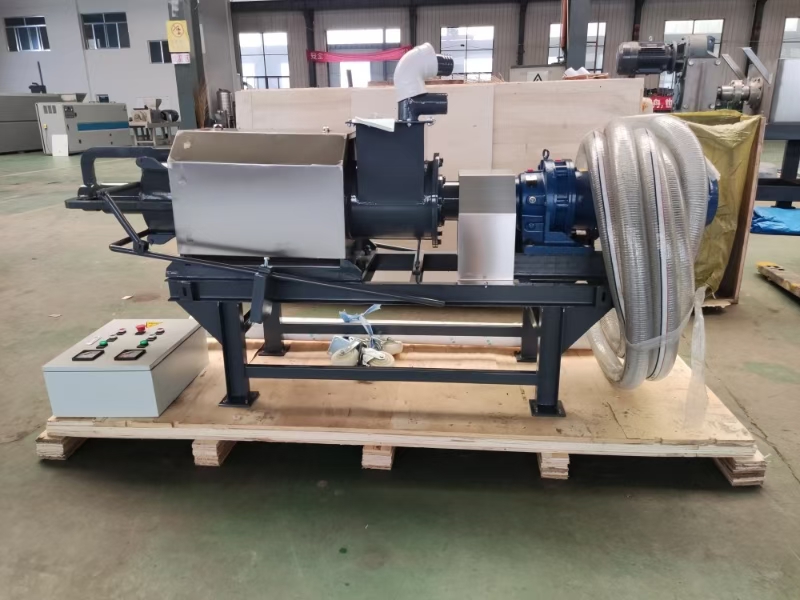
On numerous dairy farms, manure is first collected and then separated into liquid and solid components by manure separator machine before being stored securely. Many farms use specialized equipment for this separation process; the cleaned, recycled solid fraction can then be repurposed as comfortable bedding for the cows, reducing the need for additional bedding materials.
Manure storage facilities are subject to strict regulations. To ensure compliance with best practices in manure management, dairy farmers collaborate closely with local experts and government agencies, prioritizing environmental responsibility at every step.
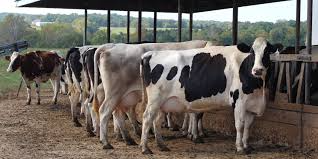
Manure for Composting
Solid manure is often composted, creating a nutrient-dense product that benefits both farmers and home gardeners alike. This compost can also double as cow bedding in some cases. Composting requires the introduction of oxygen, which activates microorganisms to break down the piled organic material into a rich soil amendment ideal for enhancing soil health.
Manure as Fertilizer
The liquid portion of the separated manure is a natural fertilizer for farm fields, helping to reduce reliance on purchased chemical fertilizers. This not only cuts down on farming costs but also promotes more sustainable agricultural practices.
Manure into Electricity
Some forward-thinking dairy farmers have taken manure recycling to the next level by installing methane digesters on their properties. These digesters convert manure into clean, renewable electricity, which can power the farm itself and even supply energy to the surrounding community. Learn more about the role of methane digesters in advancing agricultural sustainability here.
Dairy farmers are constantly innovating new ways to maximize the value of manure, ensuring their farms remain sustainable and environmentally friendly for generations to come.
can not be empty
can not be empty

HUATAO GROUP - Filter Machine & Wedge Wire Screen
Address: No.298 Zhonghua North Street, Shijiazhuang 050000 China.
Tel: +86 0311 80690567
Email: team12@huataogroup.com
 WhatsApp & WeChat : +86 17732852675